+Intertrace Insights
Sam O.
Sam O. leads security research at Intertrace and designs the enforcement layer that decides what an AI agent may do before it acts. The work centers on agent authorization, adversarial testing and approvals people actually read, and Sam publishes what the team's own tests find, including what they miss. Sam also writes essays on how AI changes work and institutions.
17 pieces · newest first
Threat research12 min read
366 ways to make a destructive action look harmless
We built a corpus of 366 agent tool calls, each disguised to read smaller than it is, and 102 near-identical harmless twins. The pattern is blunt: the tool name tells you almost nothing, and two thirds of the risk is a shell string.
Sam O.
Threat research12 min read
Policy active is not an attack: the false positives that stop real agent work
Insurance policies, stale FAQs, callback windows and password-reset macros: the benign prompts our own gateway blocked in test runs, how three releases in one day cut them from 11 to 1, and the twin corpus that keeps them fixed.
Sam O.
Threat research11 min read
What deterministic layers catch on their own: a red-team baseline with the AI judge off
We ran garak 0.16.0 against our gateway in front of a mock model with the AI judge switched off. The deterministic layers blocked 261 of 841 attack prompts. Which probes they stopped, which they missed, and how to measure your own.
Sam O.
Guide11 min read
Approval fatigue: fewer asks mean more oversight, not less
Human approval for agents fails when people get dozens of identical prompts a day. The case for asking less: ask by consequence, turn repeated asks into scoped grants, remember only similar calls, budget approvals, and build screens a person can decide on in ten seconds.
Sam O.
Essay9 min read
The century that rewired human possibility
From 1926 to 2026: how electricity, medicine, computing, networks, and AI expanded human capability, and why invention alone never guaranteed progress.
Sam O.
Essay9 min read
When intelligence becomes infrastructure
Why AI’s economic importance depends on workflow redesign, human expertise, and the difficult journey from a capable model to a useful institution.
Sam O.

Essay9 min read
A second pair of eyes: AI and the work of care
How AI can strengthen medicine and scientific discovery, and why a correct prediction is only one step toward a better human outcome.
Sam O.

Essay9 min read
The classroom after the answer machine
AI can make explanations abundant. Education must still teach people to question, practice, judge, and understand without outsourcing the work of learning.
Sam O.
Essay9 min read
AI returns to the physical world
Factories, farms, energy systems, and weather reveal why the future of intelligence still depends on sensors, materials, maintenance, and physical limits.
Sam O.

Essay9 min read
The economy of decisions
How AI may reshape finance, public services, small business, and work, and why faster decisions still need reasons, accountability, and a fair distribution of value.
Sam O.
Essay10 min read
The future needs more than intelligence
As AI moves from producing answers to taking action, human progress depends on judgment, permission, accountability, and institutions capable of learning.
Sam O.
Guide10 min read
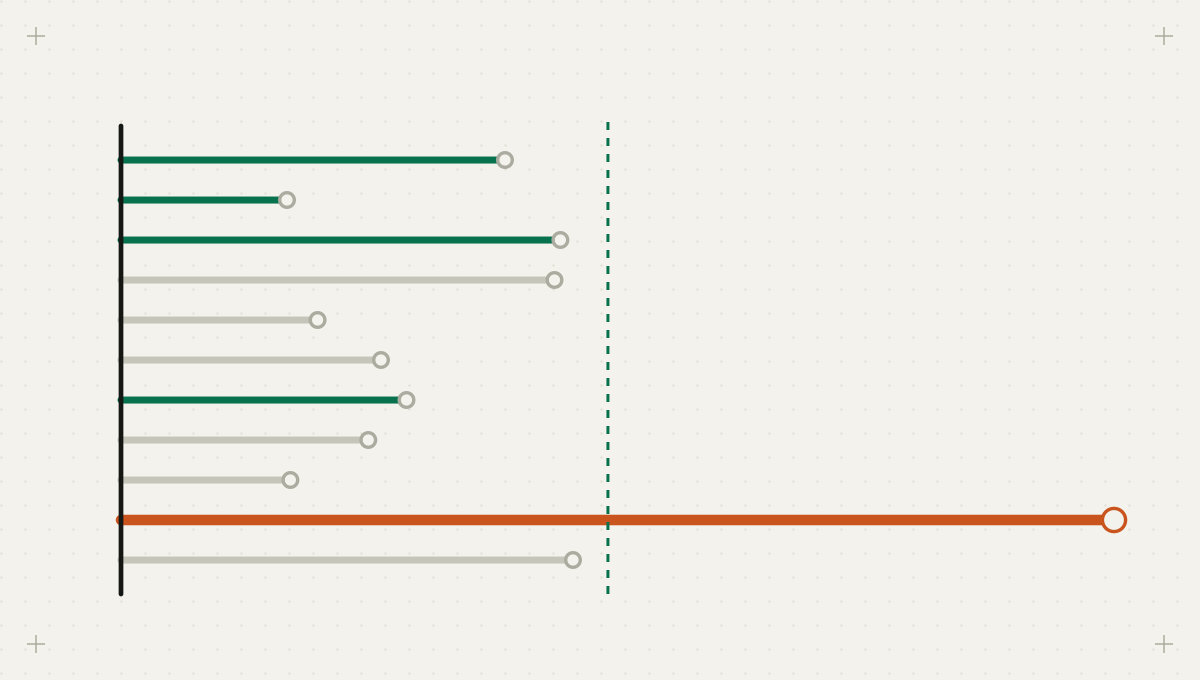
Measure agent security on two columns: the harm that got through and the work that got stopped
Agent security controls get blamed for broken workflows, and nobody can show whether they help. The case for measuring protection and friction on the same runs, pairing every attack case with a benign twin, and gating releases on both.
Sam O.
Guide11 min read
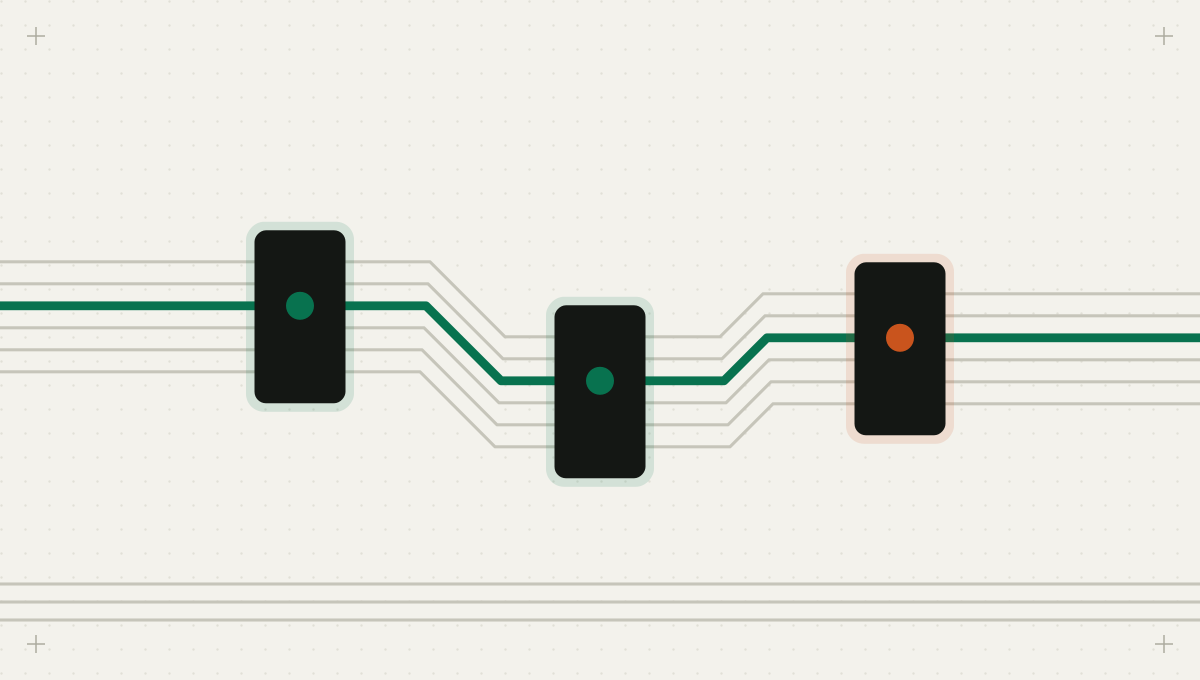
The first 90 days of an agent security program: authority first, policy later
A 30/60/90-day plan for the security lead just made accountable for agents already in production: find every agent that can act, put controls outside the model on the two or three that matter, and prove each phase on a real agent.
Sam O.
Guide8 min read
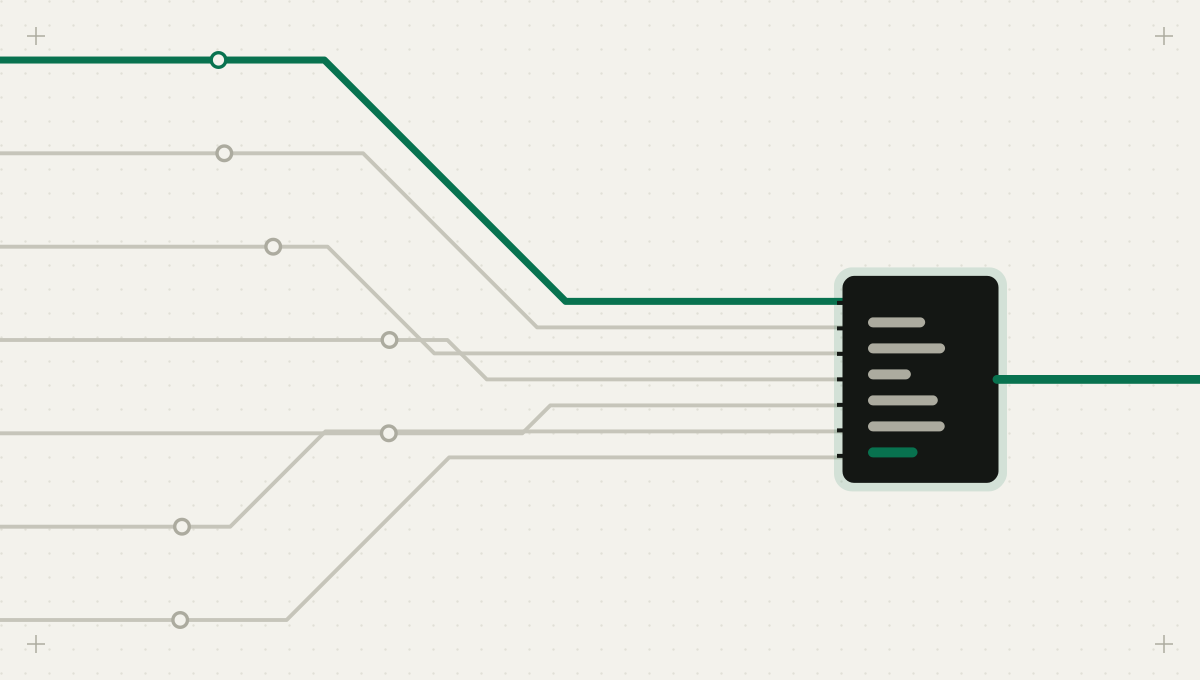
What a board should ask about AI agents, and what good answers sound like
Seven questions a board can put to management about the AI agents the company runs, the strong and weak answers to listen for, and a one-page quarterly report management can fill in from real data.
Sam O.
Guide10 min read
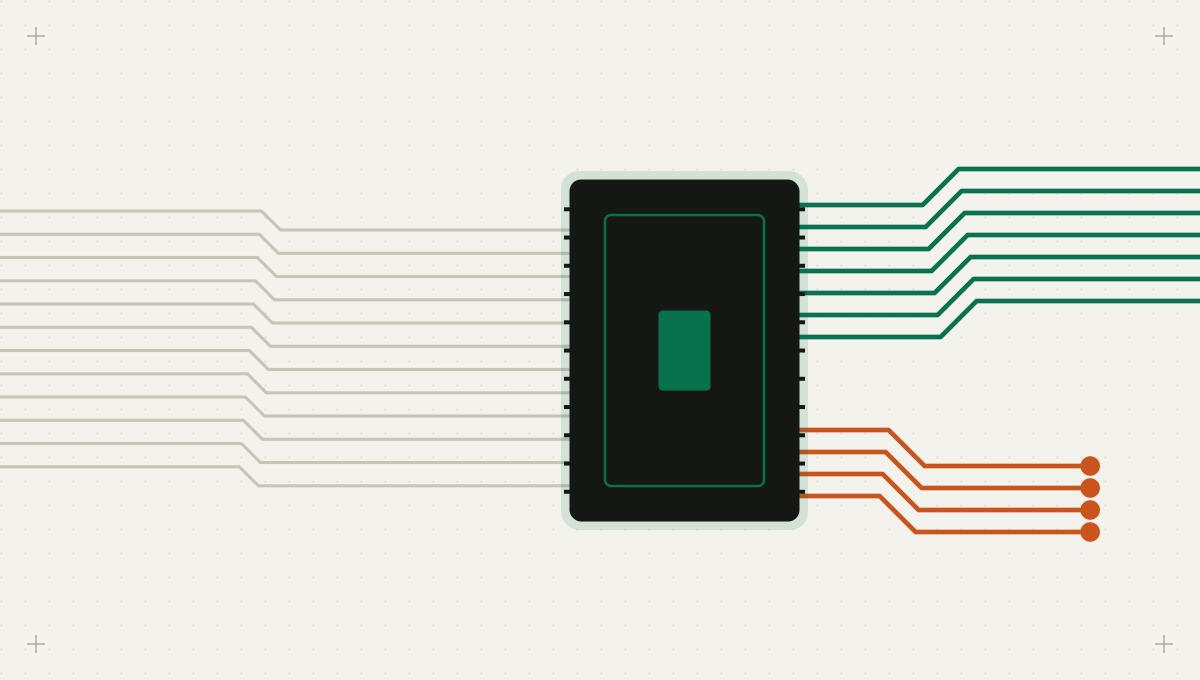
Buying AI security: ten checks that separate real controls from theater
A buyer's checklist for AI security products: ten checks, why each matters and how to test it on your own agents, the claims to treat with suspicion, and a four-week proof of concept with a scorecard you set in advance.
Sam O.
Guide10 min read
Guardrails developers won't route around: a checklist for the governed path
When an AI control is slower or more confusing than calling the model directly, developers switch to a personal key and the control protects nothing. A checklist for making the governed path the easiest one, with a test for each item.
Sam O.
Guide11 min read
Nobody owns the agents: fixing AI accountability before the first incident
Agents are built by one team, run on another team's credentials and act in a third team's systems, so when one misbehaves nobody answers for it. A teardown of one such afternoon, then four fixes ending in one rule: no owner, no credentials.
Sam O.
+Stay current
New research, the week it publishes.
Subscribe with RSS, or email support@intertrace.ai with a topic you want covered. To see the controls in action, try the Simulation Lab or read the documentation.